
Walking through the aisles of a Brussels supermarket, I spotted a small section labeled "Saveurs du Japon"—soy sauce, wasabi peas。and instant miso soup. Two shelves down, a Japanese colleague once told me she hunts for Belgian speculoos and pralines in Tokyo's depachika. That tiny overlap says a lot: Japan and Belgium don't shout about their ties, but scratch the surface and you find a surprisingly rich exchange that's worth exploring practically, whether you're a traveler, a foodie, or a businessperson curious about how these two countries actually connect.Start with the obvious but often overlooked: diamonds and chocolate. Antwerp handles roughly 80% of the world's rough diamonds, and Japanese buyers have long been major players in that market—so much so that some Antwerp dealers keep Japanese-language catalogs on hand. Flip it around。
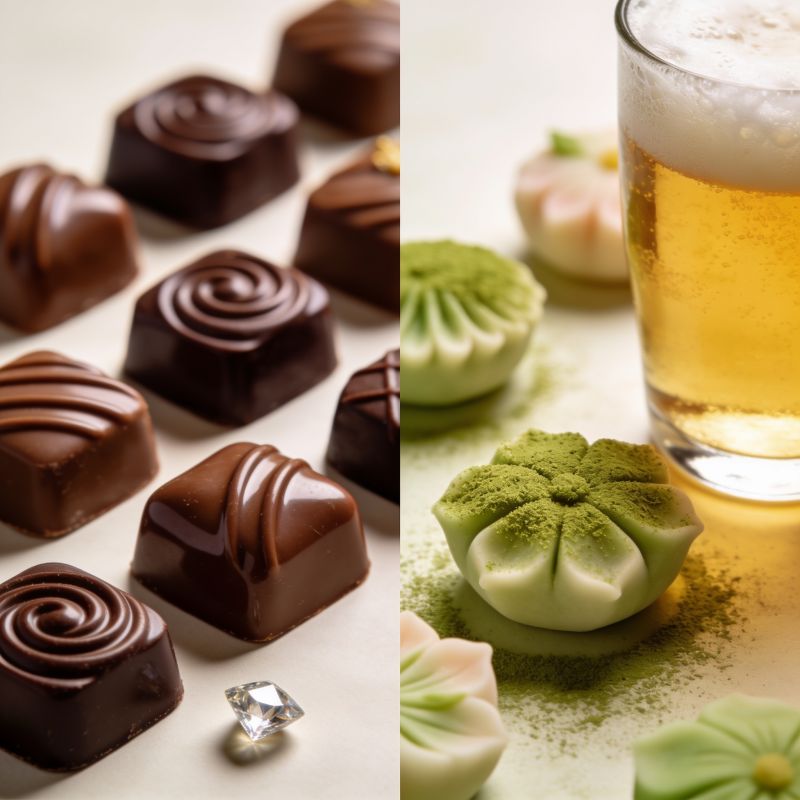
and Belgium's chocolate heritage has found a devoted audience in Japan. I remember a tiny shop in Kyoto selling matcha-infused Belgian pralines;the owner told me she trained in Bruges for a year. "Belgian technique, Japanese flavors," she said with a shrug. "Customers love the mix." That kind of quiet adaptation is a real pattern, not a marketing gimmick.Language and logistics matter more than you'd think. Belgium has three official languages—Dutch, French, and German—and many Belgians speak English well, but Japanese visitors often expect French or English signage. In practice, Dutch-speaking Flanders tends to be more fluent in English, while Wallonia leans French. If you're a Japanese professional headed to Brussels for meetings, don't assume "Belgian French" will feel like Parisian French—it's slower。with different rhythm. I once watched a Japanese trade delegation politely nod through a presentation in French, only to ask for English slides afterward. No offense taken, but it cost time. Better to confirm the working language in advance and offer bilingual materials.Food culture is where the two countries genuinely click. Belgium's beer scene—Trappist ales, lambics, witbier—has a growing fan base in Japan, and Japanese craft breweries now experiment with Belgian yeast strains. On the flip side, Belgian chefs have started sourcing Japanese ingredients like yuzu and shiso for fusion dishes. A Ghent restaurant I visited last spring served a sashimi-style trout with a side of waterzooi sauce;the chef admitted he'd spent two months in Osaka learning knife work. "The precision impressed me," he said. "But so did the patience." That mutual respect for craft is the engine behind most Japan and Belgium collaborations, whether in food, fashion。
or design.For anyone planning to bridge these two cultures—business。
study, or simply travel—a few practical moves go a long way. Learn a handful of greetings in the other language, even if it's just "dank u" or "arigatou." Bring small gifts: Belgians appreciate good chocolate, Japanese appreciate regional sweets. Keep schedules flexible: Belgian meetings often start with coffee and small talk, while Japanese agendas tend to be tight and sequential. One Japanese expat in Brussels told me her trick: "I always suggest a 15-minute buffer. Belgians need it for the social bit;Japanese need it for the follow-up." Small adjustments, big payoff. That's the real story of Japan and Belgium—less a grand alliance, more a series of practical handshakes that work when you pay attention.