
Mario Kempes didn't just score goals;he orchestrated them with the flair of a tango dancer and the precision of a surgeon. The image of him, sweat-soaked and long-haired, wheeling away in celebration during the 1978 World Cup final is etched into football folklore. But what made Kempes truly exceptional wasn't just the eight goals he netted in that tournament—it was the way he dragged Argentina to its first world title。almost single-handedly at times. His left foot was a wand, his acceleration a sudden storm. Defenders knew what was coming;stopping it was another matter entirely.Kempes's peak years at Valencia remain a masterclass in striking efficiency. Between 1976 and 1981, he terrorized La Liga defenses, winning the Pichichi trophy twice and lifting the European Cup Winners' Cup in 1980. I remember watching old footage of his goal against Arsenal in that final—a typical Kempes finish, all angular momentum and cool placement. He wasn't a poacher in the traditional sense. He dropped deep, picked up the ball, and drove at backlines with a kind of furious grace. Juan Carlos Lorenzo, his coach at the 1978 World Cup, once said Kempes played "like a man possessed。
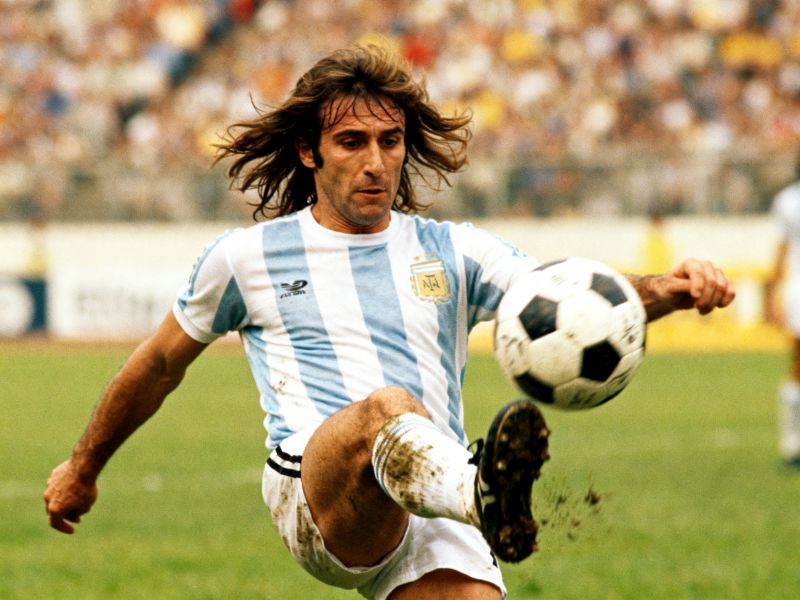
" but there was always calculation beneath the chaos.Off the pitch, Kempes cut a different figure. El Matador, they called him。but he was more poet than butcher. His reluctance to embrace the celebrity machinery of Buenos Aires felt almost stubborn. While others basked in the glow, Kempes preferred the quiet of his hometown of Bell Ville, where he'd return to ride horses and tend to his farm. That contrast—the explosive striker and the gentle countryman—defined him. In an era when footballers were beginning to be packaged as global brands, Kempes remained refreshingly unpolished. His post-playing career as a pundit has been similarly unvarnished, occasionally spiky, always honest. He doesn't trade in nostalgia;
he analyzes the game with the same directness he once applied to breaking offside traps.The 1982 World Cup in Spain was a sobering coda to his international story. Argentina, with Kempes a shadow of his 1978 self, crashed out early. Critics were quick to write him off。but that overlooks the sheer weight of expectation he carried for four years. He finished his Argentina career with 20 goals in 43 matches—a respectable tally, though his influence transcended numbers. When I think of Kempes, I think of a player who bridged eras: the gritty, physical football of the 1970s and the more tactical, disciplined game that followed. He didn't just survive the transition;he shaped it.Kempes's legacy, then, is a quiet one. No flashy endorsements, no reality TV cameos. Instead, there's a bronze statue in Bell Ville, a street named after him in Valencia。and the enduring memory of a striker who, for a few glorious weeks in 1978, was the best footballer on the planet. Football historians often debate the greatest Argentine No. 10s—Maradona, Messi—but Kempes wore No. 10 too, and did so with a rugged elegance that deserves its own chapter. His story reminds us that greatness doesn't always shout. Sometimes it arrives with a loping stride, a quiet nod, and a left foot that never missed its cue.